


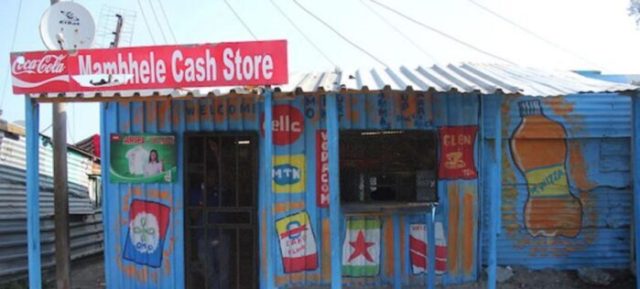
Almost a thousand incidents of foodborne illness have been reported last year. The Department of Cooperative Governance, Human Settlements, and Traditional Affairs (COGHTA) instructed the municipalities to register spaza shops in their municipal areas. At a Nkangala District Municipality’s (DM) meeting, a representative from COGHSTA summarised the current situation of spaza shops in the district.
| Description | Gert Sibande DM | Nkangala DM | STLM |
| Spaza shops | 2 751 | 3 618 | 323 |
| Applied to register | 2 581 | 2 389 | 196 |
| Owned by foreigners | 1 711 | 1 028 | 126 |
| Approved – owned by South Africans | 672 | 1 329 | 28 |
| Approved – owned by foreigners | 1 224 | 257 | 58 |
| Owned by foreigners with South African IDs | 105 | 7 | 0 |
| Certificate of acceptability | 409 | 233 | 88 |
The biggest stumbling block, according to COGHSTA, is the inconsistent implementation of municipal by-laws. There is insufficient capacity in local economic development units to work with spaza shops, and the lack of interest among local community members is delaying the manual application process. Another problem is a shortage of Environmental Health Officers.
COGHSTA proposed leveraging a partnership for enforcement and support with SARS and the Department of Home Affairs, as well as digitising the process to make the registrations faster.
South Africa needs a traceable shop register for food safety. This register allows local health authorities to monitor food practices. Registering these businesses allows for regular inspections.
MCCI supports the support of law-abiding businesses and urges the municipality to enforce the necessary bylaws. By measuring the number of spaza shops in our municipality, we can effectively manage food safety and ensure legal compliance in the community.