

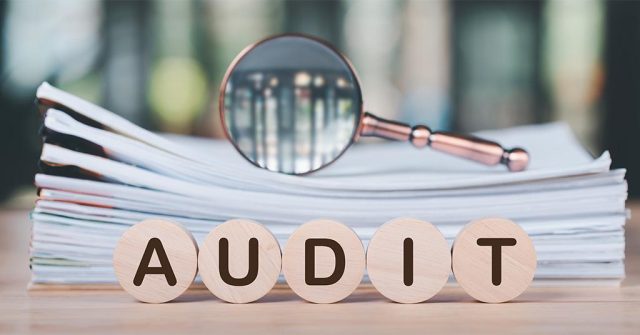
In the Middelburg Observer, an article was published about Steve Tshwete municipality’s qualified audit for 2024/25. Why should we be worried?
The combination of misreported financial information and deteriorating liquidity introduces multiple risks to business stability. Incorrect receivables and segment reporting increase the likelihood of abrupt tariff hikes to compensate for historical under-recovery and mispricing in water and electricity services.
STLM’s reduced revenue collection capacity challenges the maintenance of electricity distribution networks, water treatment and sanitation infrastructure, and the prevention in the reduction of technical losses.
We have already seen a cash constraint that has delayed important repairs, slowed infrastructure development, reduced investment attraction, and reduced preventive maintenance budgets.
The tax burden on businesses has increased, property taxes have risen faster than inflation, and electricity rates have risen faster than inflation. Regardless of the semantics about what actually increased in the property tax, businesses have noticed a lack of investment in infrastructure, such as roads and waste removal services, and a lack of corresponding upgrades to infrastructure or service delivery.
Businesses depend on the municipality for predictable financial governance. This is undermined by qualified audits. These added costs have increased operating costs, reduced cash flow, and adversely affected business viability.